UL Botanical Garden Project
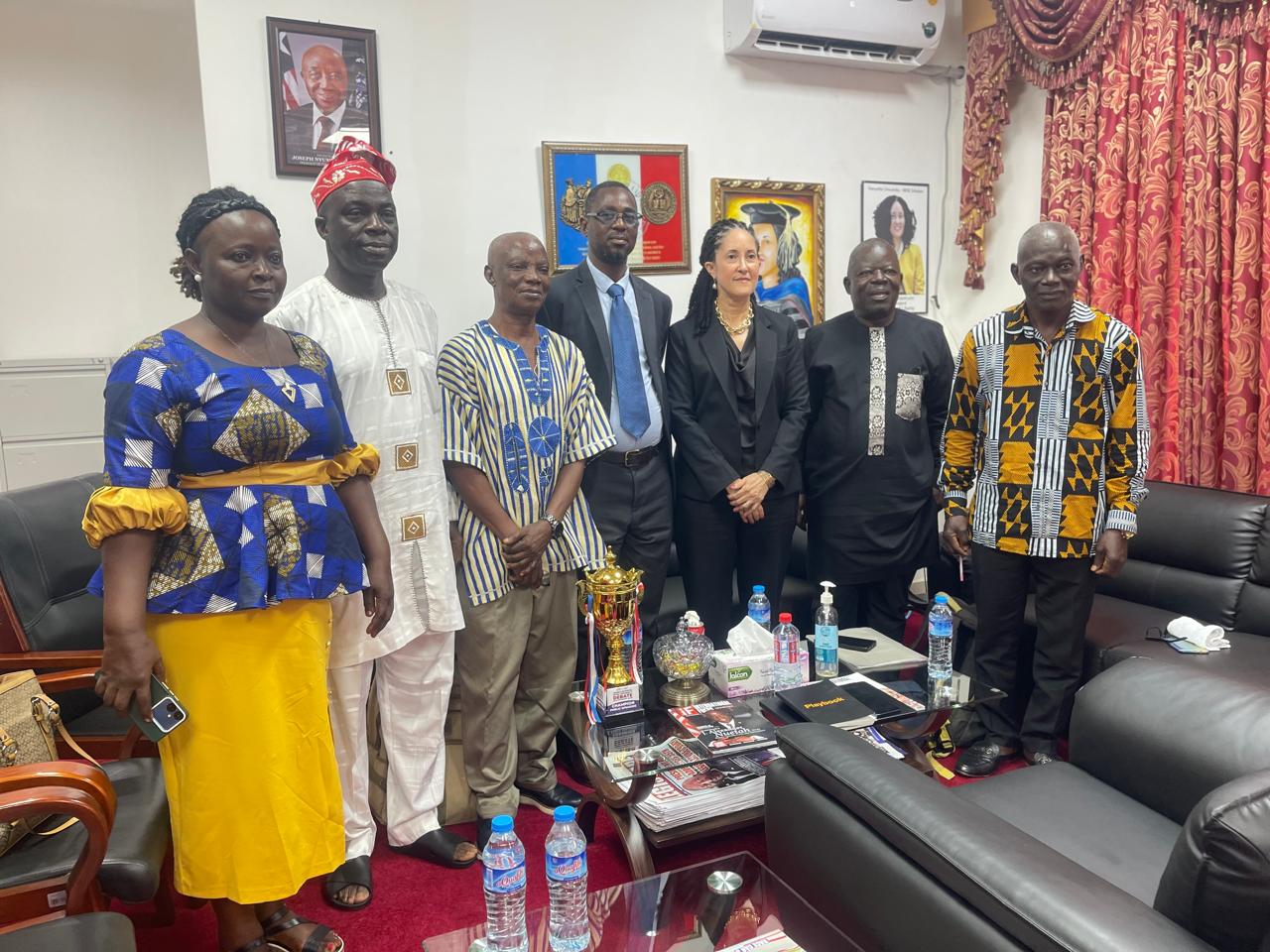
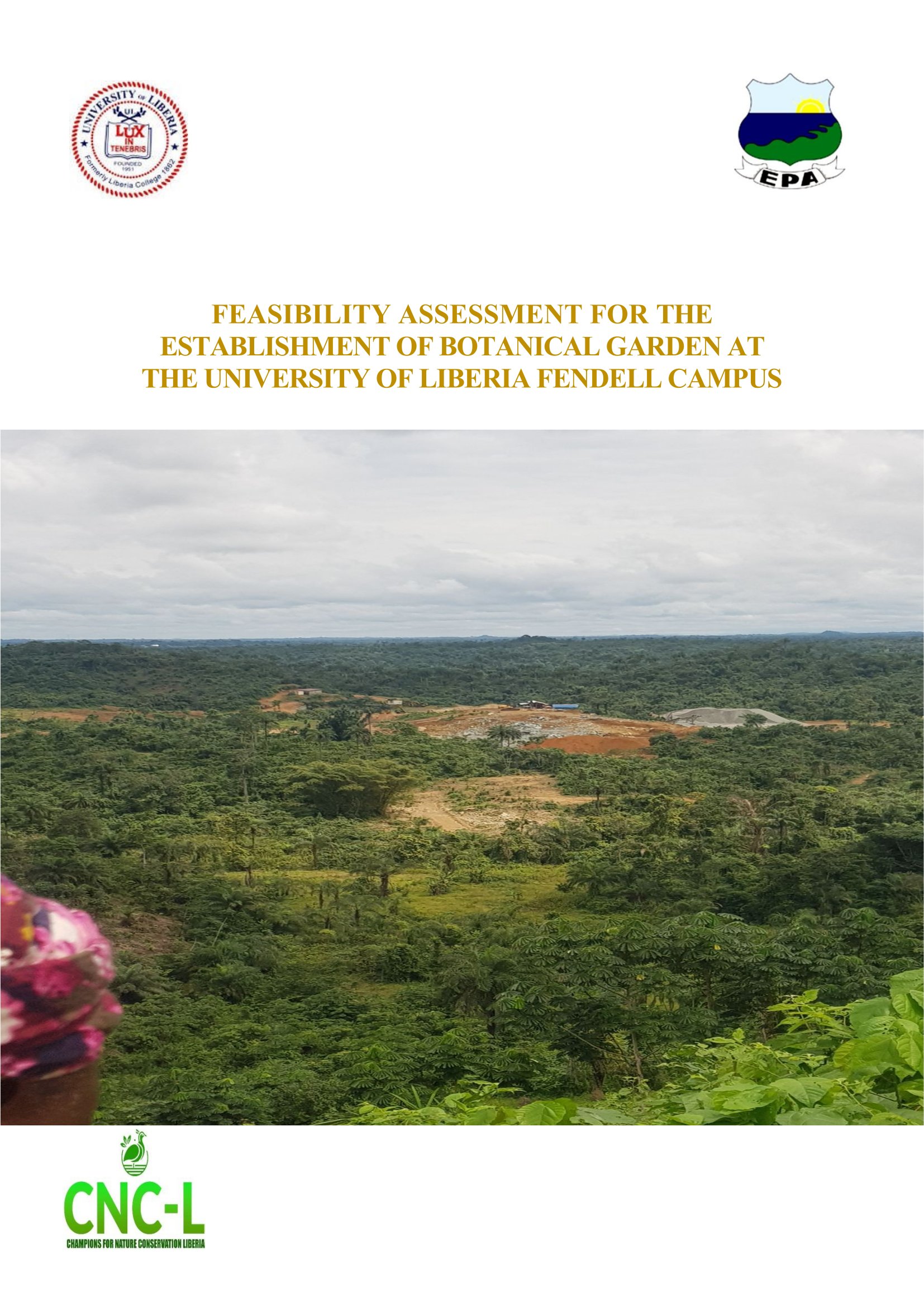
The UL Fendall Campus has vast land with ecological and educational potential for a botanical garden. In total the Fendall Campus covers 5,800 acres of land. There is a dire need for green spaces in Monrovia and surrounding areas making the establishment of a botanical garden in Fendall very needful. Besides, the need for conservation of indigenous plant species threatened by the growing deforestation and urbanization obligates the University of Liberia, as the only State-run University, to establish a botanical garden, The garden will no doubt create opportunities for teaching, research, and community outreach as well as promote ecotourism and generate revenue. On August 26 2025, the Environmental Protection Agency (EPA) signed a contract (NO. EPA/E&E/CON/ICS/003/2025) with Champions for Nature Conservation Liberia (CNCL) for a Comprehensive feasibility study on the suitability and viability of establishing a botanical garden at the University of Liberia, Fendall campus, in Monrovia. The contract was funded by the United Nation Development Program (UNDP), with the University of Liberia as the Beneficiary and technical advisor for project implementation. This feasibility study project assessed the viability of establishing a Botanical Garden at the University of Liberia (UL), Fendell Campus. The study evaluated technical, environmental, financial, social, and institutional considerations to determined whether the goal of establishing a Botanical garden at the UL Fendell landscape is achievable and sustainable. The proposed garden aims to serve as a center for conservation, education, research, recreation, and ecotourism while supporting biodiversity preservation and climate change adaptation in Liberia. The study was done with support from the Department of General Forestry, the Office of the Vice President for Institutional Development and the Special representative of the President of the University of Liberia. The establishment of a botanical garden at the University of Liberia (UL), Fendall Campus, represents a strategic step towards enhancing biodiversity conservation, environmental education, scientific research, resource mobilization and community engagement. Botanical gardens serve as living laboratories for students, researchers, and the public, while also contributing to the preservation of rare and indigenous plant species. In addition to its educational and research functions, the botanical garden will celebrate the rich historical significance of the University of Liberia. Since its establishment, the university has played a pivotal role in promoting agricultural and cultural activities in the region. The garden will highlight this legacy, showcasing the university's contributions to the study and preservation of Liberia’s natural heritage
General. Objectives
- Conduct an in-depth feasibility study to determine the viability of establishing a botanical garden at the UL Fendell campus, taking into consideration the environmental conditions, institutional capacity, visitors, and financial viability assessment.
- Review successful botanical gardens in similar contexts (e.g., university-affiliated, tropical regions) to draw lessons learned and best practices.
- Based on the feasibility study, in collaboration with UL Forestry Department and other stakeholders, identify and evaluate specific sites at the UL Fendell campus that are most suitable for the botanical garden.
- Define site selection criteria (e.g., size, topography, existing vegetation, accessibility, water availability, future expansion potential).
- Conducting preliminary site visits and assessments of identified sites.
- Select the most suitable site.
- Undertake a detailed survey of the selected site to capture its precise topographical features, hydrological patterns, existing flora and fauna, and significant natural elements.
- Establish survey benchmarks and a clear demarcation of the selected site boundaries.
- Identify and map existing natural features, significant trees, ecotourism attractions, forest patches, wetlands, water bodies, and any existing infrastructure.
- Utilizing survey data, develop accurate digital base maps of the selected site. These maps will serve as the foundation for all subsequent design work.
- Based on the feasibility study findings, site analysis, and UL's vision, develop a comprehensive conceptual master plan. This plan will articulate the overall layout, themed garden areas (e.g., medicinal plants, native flora, flower garden, research forests), major visitor amenities, research and educational facilities, service areas, and circulation paths and trails, etc.
- Translate the conceptual master plan into a 3D conceptual model. This model will provide a visual representation of the proposed garden design, including key architectural elements (e.g., visitor center, greenhouses, research facilities) and landscape features.
- Based on the conceptual master plan, provide a preliminary, high-level cost estimate for the entire botanical garden project.
- Outline a preliminary operational model for the botanical garden, including initial staffing considerations, core programming, and potential revenue streams. Provide recommendations for integrating long-term sustainability (financial, environmental, social) into the garden's development and operation.