Champion for Nature Conservation Liberia commence the buying of plastic waste for livelihood Sustainability under its UNDP/SGP GEF 8 Project" From Trash to Treasure" in Monrovia
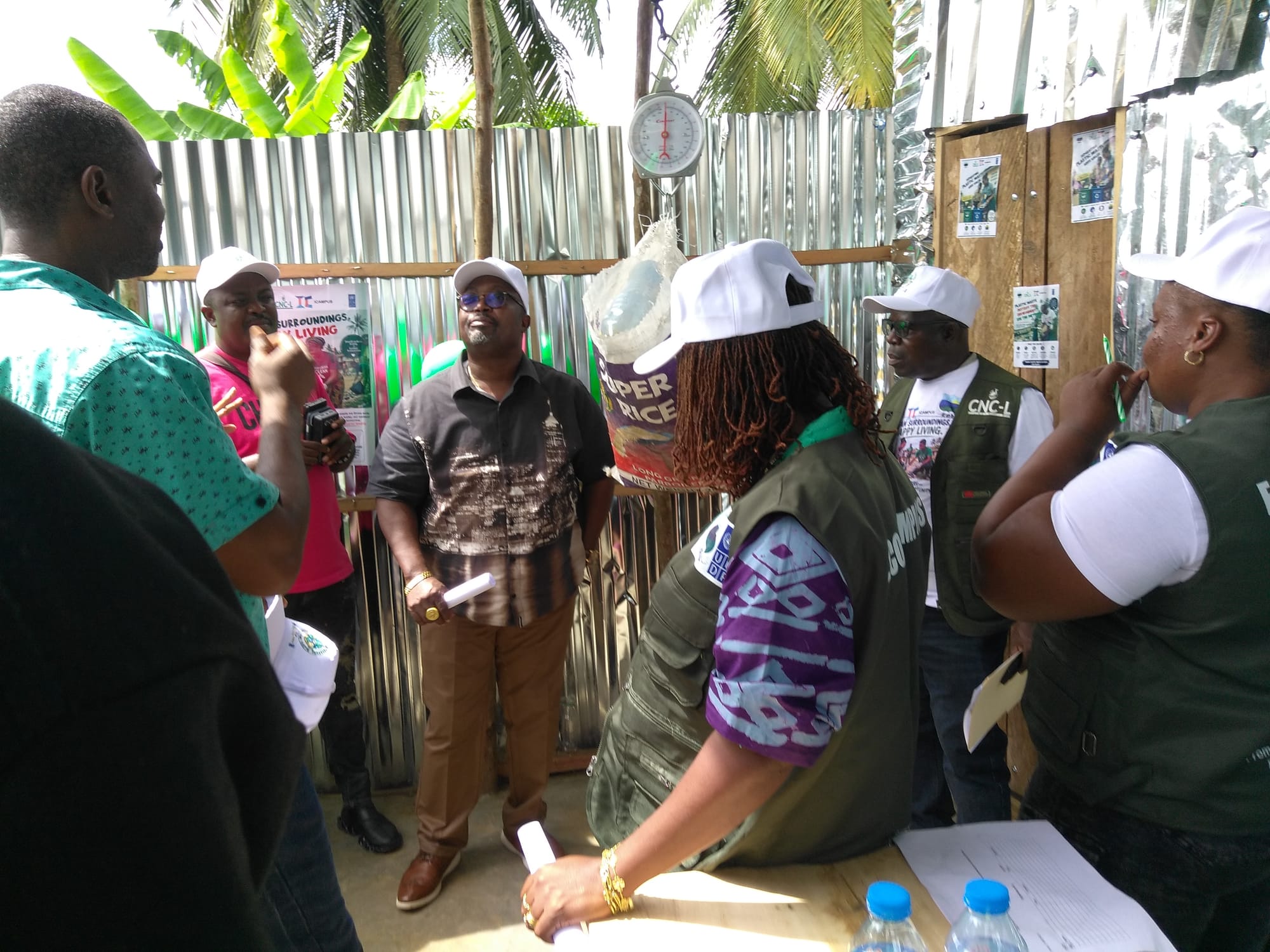
To scale the region’s environmental compliance and waste diversion capabilities, our team executed a series of comprehensive site assessments designed to optimize the deployment of organic collection infrastructure. The core objective was to transition from a generalized distribution model to a data-driven strategy. This shift ensures that every green bin is positioned for maximum community adoption and seamless operational maintenance. The project began with rigorous field evaluations across diverse urban and suburban zones. The assessment team systematically audited potential locations, evaluating critical factors such as community foot-traffic, seasonal waste volume shifts, and proximity to high-generation sources like food markets and high-density housing. Logistical feasibility was a primary constraint; each proposed site was vetted to ensure it allowed safe, rapid access for municipal collection vehicles, thereby minimizing transit times and reducing municipal fuel expenditures. Data gathered from these physical audits was then cross-referenced with spatial mapping tools to lock in strategic placement coordinates. Special attention was paid to human behavior and ergonomics. Bins were strategically paired with existing waste infrastructure to encourage correct source-separation, increase public visibility, and reduce cross-contamination rates. Furthermore, the final selections strictly adhered to local accessibility laws, ensuring equal civic utility while avoiding the obstruction of public pathways or sightlines. The culmination of these site assessments is a structured, scalable blueprint for the rollout of the green bin network. By grounding infrastructure placement in empirical field data, the initiative successfully mitigates the risk of underutilized assets and streamlines weekly collection routes. This systematic approach directly supports our overarching sustainability goals, turning standard municipal asset management into a high-yield environmental program that optimizes both capital expenditure and public participation. The grand opening of the ELWA buying station featured prominent dignitaries, community leaders, and conservation advocates. Key invitees Salimatu Gilayeneh from the United Nations Development Programme (UNDP), Romeo T. Coker from the Paynesville City Corporation (PCC), Nathaniel T. Blama Chairman of CNCL Board and Mrs. Cheryl Morgan a prominent member of the Rotary Club of Liberia. The host organization, CNCL, was fully represented by Executive Director Mr. Moses Massa, Program Manager Mr. Richard Hoff, and the broader organizational staff. Highlighting grassroots involvement, the event welcomed local eco-champions and students representing eight core partnership communities and their respective schools. Abigail M. Zean, from CNCL’s youth engagement and capacity building department, expertly guided the ceremony as the Master of Ceremonies. The event reached its peak during the official ribbon-cutting ceremony, which was honorably executed by Salimatu Gilayeneh the Inclusive Green Growth Team Leader at UNDP Liberia. This launching ceremony marks a pivotal milestone for local environmental sustainability, uniting International collaborates, municipal authorities, and community youth to foster impactful ecological stewardship and green economic growth within the region. During the program, speakers highlighted the station's future role in community-led environmental.